
Orbiting Carbon Observatory-3OCO-3
The OCO-3 mission provides accurate, precise spaceborne measurements of atmospheric carbon dioxide (CO2) as well as solar-induced chlorophyll fluorescence (SIF), a direct proxy for plant photosynthetic activity.
OCO-3 provides column-integrated CO2 measurements with an accuracy better than 1 part per million (ppm) at a footprint size of approximately 2.0 km x 2.0 km within the latitude range between 52S and 52N, forming a reliable basis to characterize and monitor the geographic distribution of CO2 sources and sinks and quantify their variability.
The OCO missions measure atmospheric carbon dioxide (CO₂) and solar-induced chlorophyll fluorescence (SIF) from space, helping scientists study carbon sources and sinks, plant photosynthesis, vegetation stress, and changes in the global carbon cycle.
CO2 in the Earth system: CO2 in our atmosphere is an important gas for life on our home planet. It traps heat, helping to maintain Earth at a temperature warm enough to support life. However, sharp increases or decreases may affect the planet’s delicate temperature balance. Increases in atmospheric CO2 concentration lead to increases in global temperatures, with corresponding implications for extreme weather, sea level rise and disruptions to ecosystems. Although the overall influence of human activities on atmospheric CO2 concentrations is well established, several critical questions about where, when and how much CO2 is released and removed from our atmosphere, and how the relevant processes will evolve in future, remain unanswered.
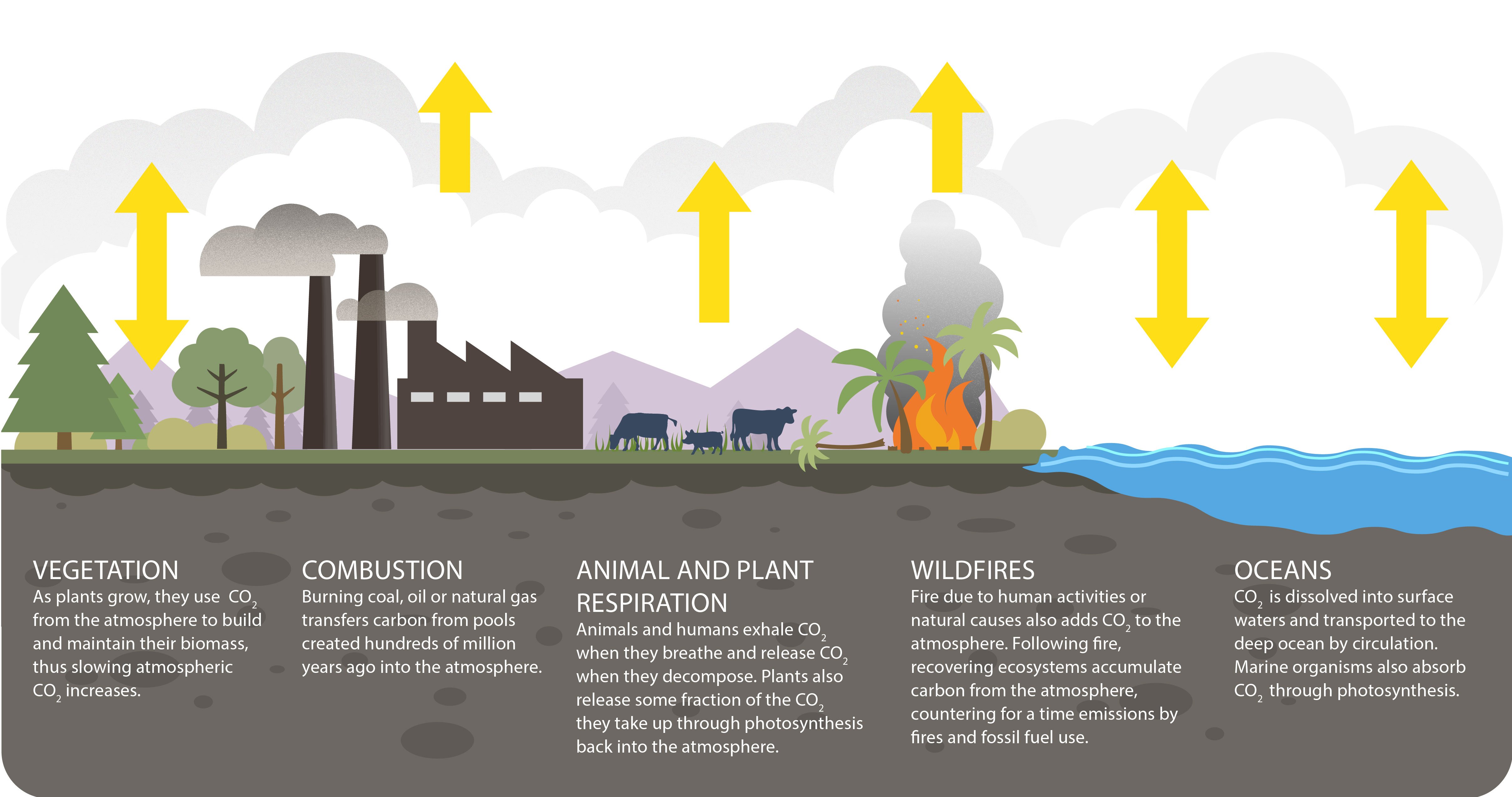
Sources, sinks and the carbon cycle: The Earth system maintains a check and balance on CO2 through the carbon cycle and what we call sources and sinks. A source is any process where CO2 is released into the atmosphere such as plant and animal decay, deforestation, when humans and animals breathe out, or the burning of fossil fuels such as coal or gas. A sink is a process that removes some of the CO2 from the atmosphere, such as when plants take up CO2 for photosynthesis. The oceans remove some of the CO2 from the atmosphere as well.
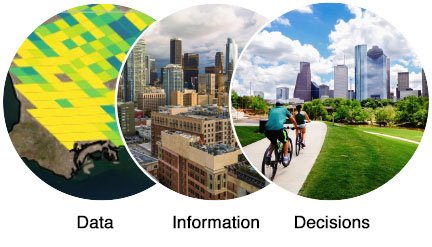
A unique view of CO2 source hot spots: With its Snapshot Area Map (SAM) mode, OCO-3 has the ability to scan large contiguous areas of emission hot spots like cities, power plants, and volcanoes, providing insight into CO2 sources at unprecedented spatial scales from space.
Natural sinks: In any given year, approximately half of the CO2 produced by human activities is absorbed by natural sinks. However, this fraction is highly variable in time. The nature and the locations of the sinks that absorb about half of the human produced CO2 are currently not well known and present important, yet unanswered questions. For example, if the efficiency of these sinks decreases in the future, will the rate of buildup of atmospheric CO2 increase? If so, how much? Can some of these natural sinks be exploited to further reduce the rate of CO2 buildup? OCO-3 measurements are being used to understand the nature, locations, and processes that make these natural sinks.
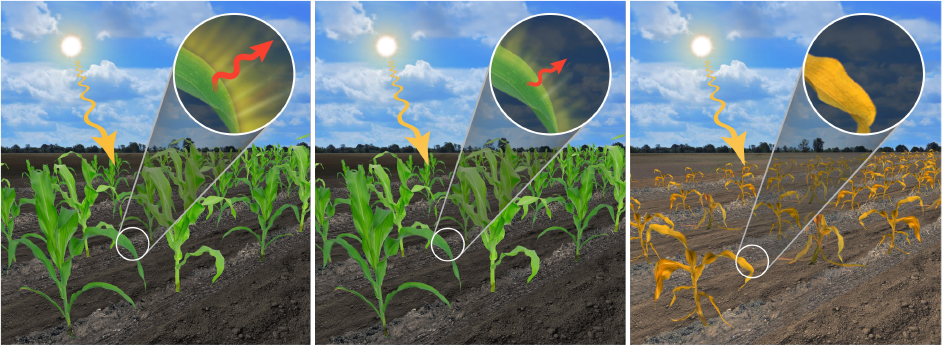
Plants glow as they absorb light for photosynthesis. This glow, referred to as solar-induced chlorophyll fluorescence (SIF), can dim or brighten as temperature, water, and sunlight become more or less favorable for growth, offering an important signal of vegetation health and stress.
SIF for carbon cycle science: The OCO-3 SIF measurements can be used to provide information on where, when and how much plants, such as forests or grasslands, are absorbing atmospheric CO2 .
SIF for drought forecasting, land and water management: Increasing evidence suggests this glow can change weeks to months ahead of a wide range of drought events. Access to this type of information from OCO-3, if provided directly to producers and other resource managers, can be crucial for land and water management efforts.
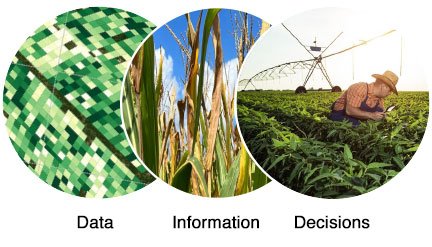
SIF for agriculture: SIF measurements from OCO-3 can be used to monitor photosynthesis in the context of crop health and productivity, to help optimize irrigation strategies for crops and to get “more crop per drop”. SIF measurements can also help with timely and accurate estimation of crop yields, offering the promise of aiding in effective responses to food crises, informing agricultural policies and efficient commodity pricing.
Uniqueness of the OCO-3 SIF measurements: Diurnal variations in photosynthesis provide key information on the responses of ecosystems to external drivers. The OCO-3 mission, sampling around the globe at different times of day, provides a unique perspective on the time-of-day variations of SIF that can inform projections of changes in the global carbon cycle in response to long-term changes in factors such as temperature and water availability in the Earth system.